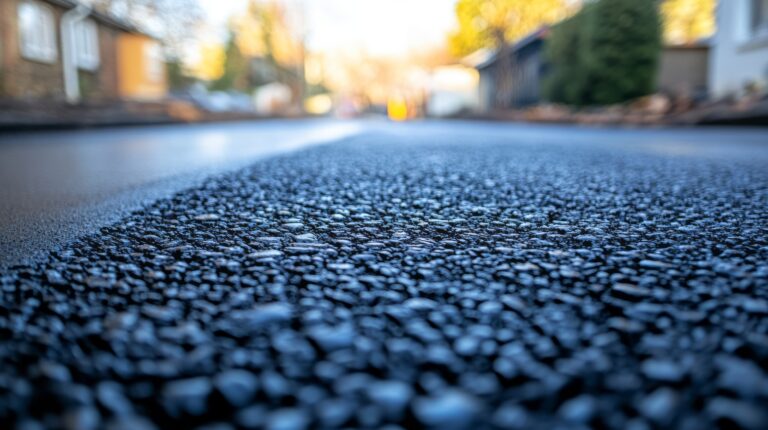
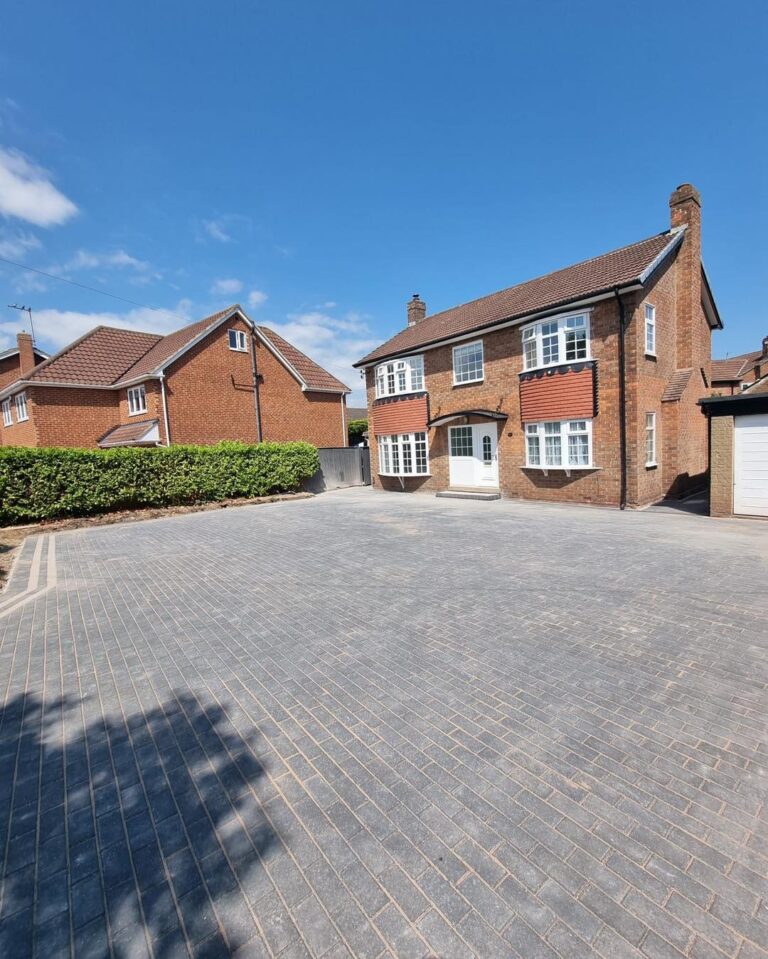
We often get asked, is block paving the right driveway material for me?
Block paving is a popular choice for driveways and pathways in North East homes due to its durability, aesthetic appeal, and ability to withstand the region’s variable weather conditions. However, like any outdoor surface, block paving can face various issues over time. On our travels throughout North East towns like Middlesbrough, Stockton and Hartlepool, we regularly see block paving driveways that are not being maintained correctly. In this blog, we’ll explore some of the common block paving problems homeowners in the North East might encounter and offer practical solutions to prevent and address them. By understanding these issues and taking proactive measures, you can ensure that your block-paved surfaces remain beautiful and functional for years to come.
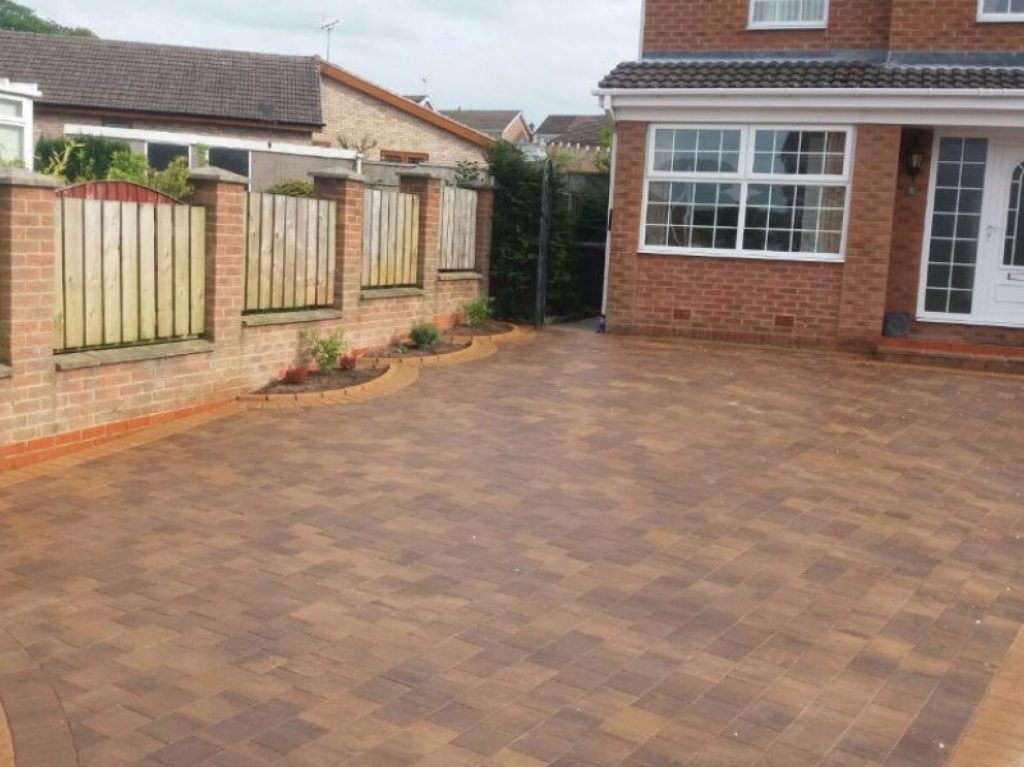
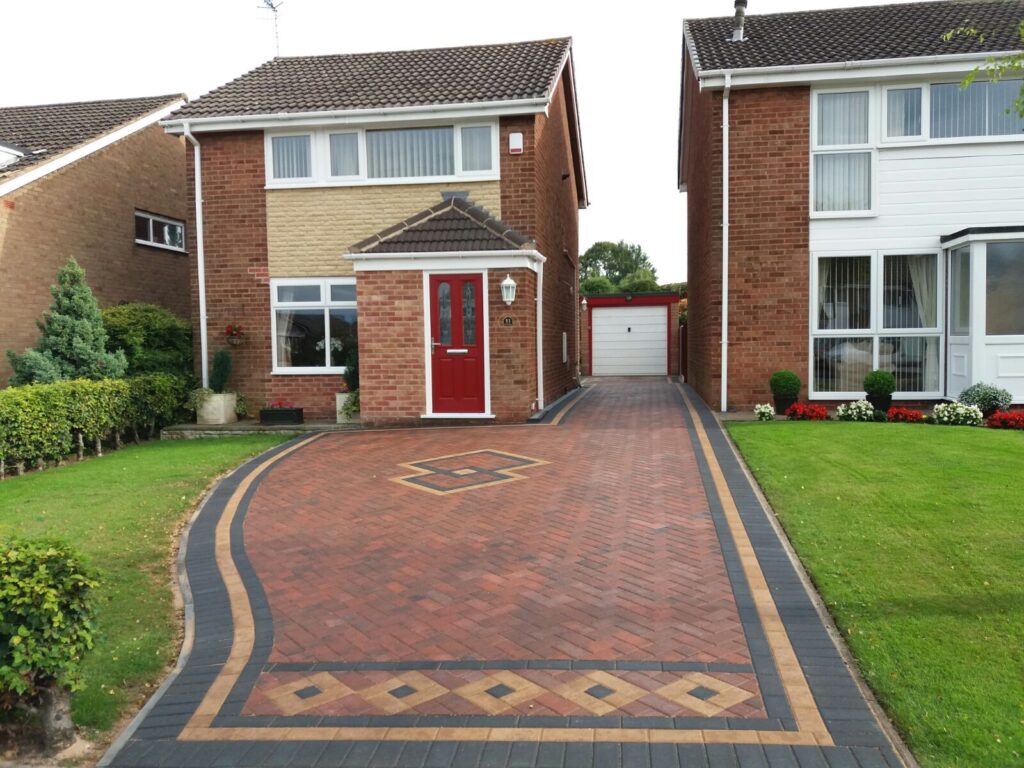

Weed Growth Between the Blocks
Weed Growth Between the Blocks: One of the most persistent and frustrating issues homeowners encounter with block paving is the relentless growth of weeds between the blocks. For North East homeowners, it often feels like these unwelcome green invaders thrive in every available crack and crevice, spoiling the otherwise tidy appearance of their driveways and walkways.
Prevention: To counteract this nuisance, consider taking proactive steps during the block paving installation process. Start by laying down a weed membrane or geo-textile fabric before placing the blocks. This simple barrier serves as a formidable defence against weed roots attempting to infiltrate the area beneath your paving. Additionally, invest in regular maintenance routines, including diligent weed removal and joint re-sanding. By keeping the joints filled and well-maintained, you create less room for weeds to take root, thereby preserving the clean, weed-free look of your block paving.
Moss and Algae Buildup
Moss and Algae Buildup: The North East’s damp and humid climate can create the ideal conditions for moss and algae to flourish on block paving surfaces. Not only do these growths mar the appearance of your outdoor space, but they also pose safety hazards by making the surface slippery and potentially dangerous.
Prevention: To counteract moss and algae buildup, it’s essential to maintain a regular cleaning schedule. A pressure washer is a homeowner’s best friend in this regard. Use it to periodically clean your block paving thoroughly. Consider applying an algaecide or moss killer as a preventive measure during the wetter months when these issues tend to be more pronounced. By staying ahead of moss and algae growth, you can keep your block paving not only looking pristine but also safe for walking and driving.
Surface Stains
Surface Stains: Stains from oil, grease, rust, or other substances can quickly become an eyesore on your block paving, diminishing its visual appeal.
Prevention: Acting swiftly is the key to preventing stains from becoming permanent. In the event of spills, clean them up promptly using appropriate cleaning agents or absorbent materials. To protect the surface from stains in the long term, consider applying a high-quality sealant. This protective layer acts as a barrier against substances that can penetrate the blocks. Furthermore, regular sweeping and washing of your block paving will remove debris and minimise the potential for staining, ensuring that your outdoor space maintains its aesthetic charm.
Sunken or Uneven Blocks
Sunken or Uneven Blocks: Over time, block paving can settle or become uneven due to various factors such as vehicle traffic, ground movement, or improper installation.
Prevention: To prevent sunken or uneven blocks, it all starts with proper preparation. Ensure that the base is well-prepared and adequately compacted before the installation of the blocks. Adequate compaction minimises the likelihood of settling over time. If you do notice sunken or uneven blocks, don’t delay in addressing the issue. Consider lifting and relaying the affected blocks to restore the surface’s evenness. Additionally, schedule regular inspections of your paved area to catch any signs of movement or wear early on. By doing so, you can address issues before they become significant problems.
Potholes and Cracks
Potholes and Cracks: The North East’s frequent freeze-thaw cycles can lead to the development of potholes and cracks in block paving, making it both unsightly and potentially hazardous.
Prevention: Prevention here begins with your choice of block quality and proper installation techniques. Opt for high-quality blocks that are designed to withstand varying weather conditions. Ensure that they are installed correctly, with appropriate attention to the base and joints. Proper drainage also plays a crucial role in preventing water from pooling and freezing, which can lead to cracks and potholes. In the event that cracks or holes do appear, take immediate action by sealing them promptly. Timely repairs can prevent these issues from worsening over time, preserving the integrity and appearance of your block paving.
Ant Infestations
Ant Infestations: Ants can become unwelcome residents beneath your block paving, causing instability and unsightly mounds.
Prevention: Address ant infestations swiftly and effectively with appropriate pest control methods. Installing an ant barrier during the block paving installation process can serve as a proactive measure. This barrier prevents ants from tunnelling underneath and creating problems in the first place. Early intervention and vigilance in addressing ant infestations can help maintain the stability and aesthetics of your block paving.
Fading Colours
Fading Colours: The North East’s harsh sunlight and unpredictable weather conditions can cause the colours of your block paving to fade over time, diminishing its visual appeal.
Prevention: To prevent colour fading, start by selecting blocks that are UV-resistant. These blocks are designed to withstand prolonged exposure to sunlight without significant colour alteration. Additionally, applying a sealant can offer an extra layer of protection against fading. Regularly cleaning and maintaining your block paving will help keep it looking fresh, preventing the colours from dulling due to dirt and grime buildup.
Drainage Issues
Drainage Issues: Poor drainage can lead to water pooling on the surface, potentially causing damage over time.
Prevention: Ensure that your block paving is properly sloped to allow water to drain away efficiently. Proper drainage is vital in preventing water from accumulating on the surface and causing problems. Regularly clear any debris from drainage channels and inspect for blockages to maintain effective water flow and prevent water-related damage to your block paving.
We would also recommend you also consider the following to ensure your block paved driveway has a long life-span…
Proper Sloping: Ensure that your block paving is properly sloped to allow water to drain away efficiently. Ideally, the surface should have a slight slope away from buildings or other structures. This slope encourages water to flow towards designated drainage areas, such as channels or drains.
Effective Drainage Systems: Invest in a well-designed drainage system that includes channels, grates, and drains. These components should be strategically placed to collect and direct excess water away from the paved area.
Regular Maintenance: Maintenance plays a critical role in preventing drainage issues. Here are some maintenance tasks to consider:
Clear Debris: Regularly clear any debris, leaves, or dirt from drainage channels and grates. Accumulated debris can obstruct water flow.
Inspect for Blockages: Periodically inspect the entire drainage system for blockages or clogs. Remove any obstructions to ensure the system functions efficiently.
Clean Paving Surface: Keep the block paving surface clean and free of debris. Sweeping or using a pressure washer can help prevent surface water buildup.
Permeable Paving Options: Consider using permeable or porous block paving materials. These allow water to pass through the surface and into the ground, reducing the risk of surface water pooling.
Regular Professional Inspection: Schedule regular inspections by a professional paving contractor. They can identify drainage issues early on and address them before they become major problems.
Proper Grouting and Jointing: Ensure that the joints between blocks are properly filled with suitable materials to prevent water from seeping through and causing damage beneath the surface.
Block Paving is an Excellent Choice!
Block paving, with its durability and aesthetic appeal, is an excellent choice for North East homeowners. However, like any outdoor surface, it requires attention and care to prevent common problems from arising and to address them promptly when they do. By implementing these preventive measures and staying vigilant, you can enjoy a beautiful and functional outdoor space for years to come. Should you ever require professional assistance with block paving issues, The Paving People are here to provide expert guidance and services tailored to North East homeowners’ unique needs.


Good preparation is especially important in exposed coastal areas, where surfaces regularly encounter rain, wind and changing temperatures. When installing driveways in Redcar, The Paving People considers the sub-base, drainage, edge restraints and intended vehicle use before the blocks are laid.
What other Driveway Materials Could Benefit You:
Resin-bound and concrete imprint driveways are often considered excellent alternatives to block paving, particularly for homeowners looking for low-maintenance options. Here’s why they stand out in terms of requiring less maintenance:
Resin-Bound Driveways:
Weed and Moss Resistance: Resin-bound driveways are highly resistant to weed and moss growth. Unlike block paving, which can develop gaps where weeds can take root, resin-bound surfaces are a continuous, seamless layer that leaves no room for unwanted vegetation to grow. This feature significantly reduces the need for weeding and maintenance.
Low Water Absorption: Resin-bound surfaces are non-porous, meaning they do not absorb water. This property minimises the risk of water damage, such as freezing and thawing cycles that can lead to cracks and potholes in block paving. It also reduces the likelihood of stains caused by spilled liquids.
Easy Cleaning: Resin-bound driveways are straightforward to clean. Regular sweeping and occasional pressure washing are typically all that’s needed to maintain their appearance. Because the surface is smooth and uniform, there are fewer joints or gaps where dirt and debris can accumulate.
Durability: Resin-bound driveways are known for their durability. They can withstand heavy traffic, making them a practical choice for driveways. They are less prone to damage from vehicle weight compared to some block paving styles that may develop ruts or sink over time.
Longevity: When properly installed and maintained, resin-bound driveways can have a long lifespan, often exceeding that of traditional block paving. This means fewer replacements and less ongoing maintenance over the years.
Concrete Imprint Driveways:
Low Maintenance: Concrete imprint driveways are known for their minimal maintenance requirements. They are a solid, continuous surface, which means there are no joints or gaps for weeds to grow, reducing the need for weed removal and re-sanding.
Stain Resistance: Concrete imprint surfaces are typically sealed, making them resistant to stains from oil, grease, or other substances. Spills can be easily wiped away, reducing the risk of long-term staining.
Durable: Concrete imprint driveways are incredibly durable and can withstand heavy traffic without sinking or becoming uneven. They are designed to last for many years with minimal wear and tear.
Variety of Designs: Concrete imprint offers a wide range of design options, allowing homeowners to achieve the look of natural stone, brick, or other materials without the maintenance associated with those materials.
Low-Profile Maintenance: Regular cleaning and occasional resealing are typically the extent of maintenance required for concrete imprint driveways. This is significantly less demanding than the periodic re-sanding and joint maintenance needed for block paving.
In summary, both resin-bound and concrete imprint driveways offer homeowners looking for low-maintenance options several advantages over traditional block paving. Their resistance to weed growth, ease of cleaning, durability, and long-term cost savings make them attractive choices for those who want a beautiful and functional driveway with minimal upkeep. However, it’s essential to ensure that these alternative driveway types are professionally installed to maximise their benefits and longevity.