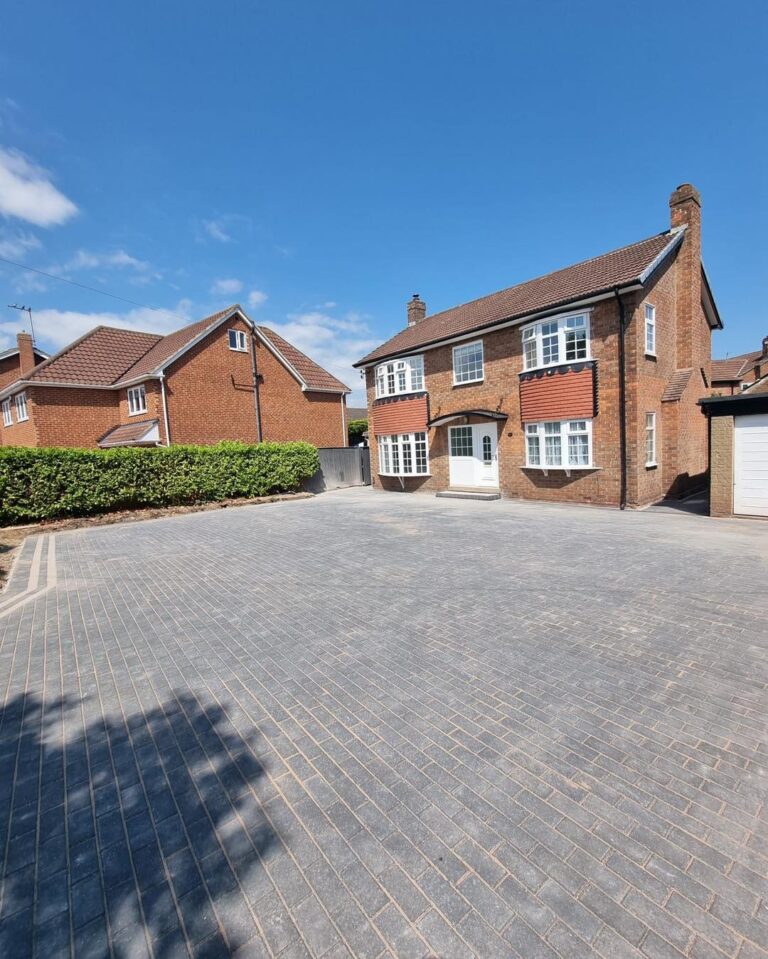
When planning any kind of home improvement, especially one that affects the exterior of your property, it’s natural to wonder about planning permission. One of the most common questions we get asked at The Paving People is: “Do I need planning permission for a driveway?” The answer depends on several factors, including the type of surface you’re installing, whether your property is a house or flat, and how water will drain from the area. In this blog, we’ll break it all down for you and explain what homeowners across the North East — and the wider UK — need to know before starting a new driveway project.
Understanding Permitted Development Rights
In most cases, the installation or replacement of a driveway at a domestic property falls under what’s known as permitted development rights. This means you can carry out certain improvements or alterations without the need to apply for formal planning permission, as long as your project meets specific conditions set by your local planning authority. For homeowners in towns like Middlesbrough, Hartlepool, Durham, and Sunderland, these rights typically apply to detached, semi-detached, and terraced houses. However, if you live in a flat, maisonette, or a listed building, these rules are more restricted, and planning permission may be required regardless of surface type or design.
The Role of Drainage in Planning Permission
The biggest determining factor in whether or not you’ll need planning permission for a driveway comes down to how water drains from the surface. Since October 2008, changes in UK planning law have been introduced to help reduce flooding caused by surface water runoff. This means that if you plan to cover more than five square metres of front garden space with an impermeable material, and the water isn’t directed to a permeable area, then planning permission is required. In contrast, if you use a permeable or porous surface, such as gravel, permeable block paving, or resin-bound gravel, and the water naturally drains through the surface or into a specially designed drainage system, you won’t usually need planning permission. That’s why many of our customers across the North East opt for resin driveways — they’re not only attractive and low-maintenance, but also fully compliant with drainage regulations.
What Counts as a Permeable Surface?
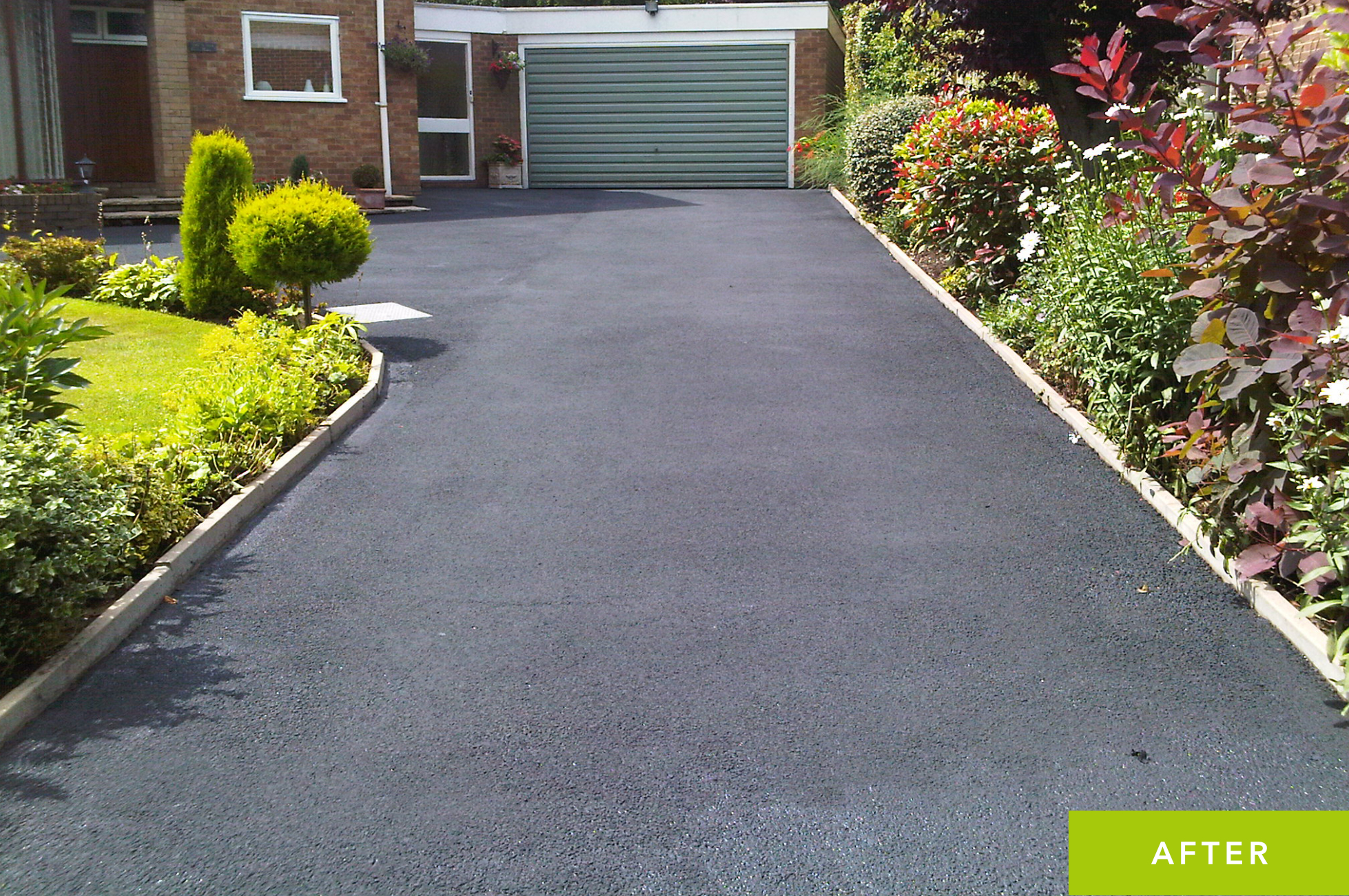
Permeable surfaces allow water to pass through them naturally, helping to prevent waterlogging and reduce strain on local drainage systems. Materials like gravel, resin-bound stone, and permeable concrete blocks are all considered suitable options when you want to avoid applying for planning permission. These surfaces allow rainwater to filter through the top layer and into a sub-base beneath, where it can soak into the ground or be channelled into a soakaway. On the other hand, surfaces like concrete, tarmac, and non-permeable block paving are considered impermeable. These materials don’t allow water to pass through and can cause runoff to the pavement or road unless a proper drainage solution is installed. If you do choose one of these options, you must ensure that surface water is directed into a permeable area within your property boundary, such as a lawn or planting bed, or into a purpose-built soakaway. Without this, your project may require permission.
Site conditions can vary considerably between properties, so drainage and access should be considered before work begins. Homeowners comparing driveways in Hartlepool can arrange a design visit with The Paving People to discuss surface options, levels and how rainwater will be managed.
Driveways in Conservation Areas and Listed Properties
If your home is located within a conservation area, Area of Outstanding Natural Beauty, or is a listed building, the rules around driveway installation can be more complex. Local councils often impose tighter restrictions on any changes that affect the character or appearance of the area. Even a simple change in driveway surface could require planning consent or listed building consent. In such cases, it’s always best to consult your local authority or a planning consultant before starting work. At The Paving People, we’ve worked with many homeowners in areas like Yarm, Durham’s city centre, and other heritage zones, and we’re happy to help guide you through the appropriate approvals process if needed.
Converting a Front Garden Into a Driveway
Many UK homeowners are now converting their front gardens into driveways to gain extra parking space, especially in busy urban areas like Newcastle or Stockton-on-Tees. While this is usually permitted under planning rules, it’s important to remember that if you’re crossing a pavement or kerb to access your drive, you must have dropped kerb approval from your local council. This is separate from planning permission but is still a legal requirement. Local councils will often insist that a professional contractor carries out the kerb lowering work to ensure safety and accessibility. It’s not something you can DIY or ignore — unauthorised access across a pavement can result in fines or orders to reinstate the area. If you’re planning to add a new driveway and don’t already have a dropped kerb, speak with your local authority’s highways department before work begins.
Planning Considerations for Larger Driveways
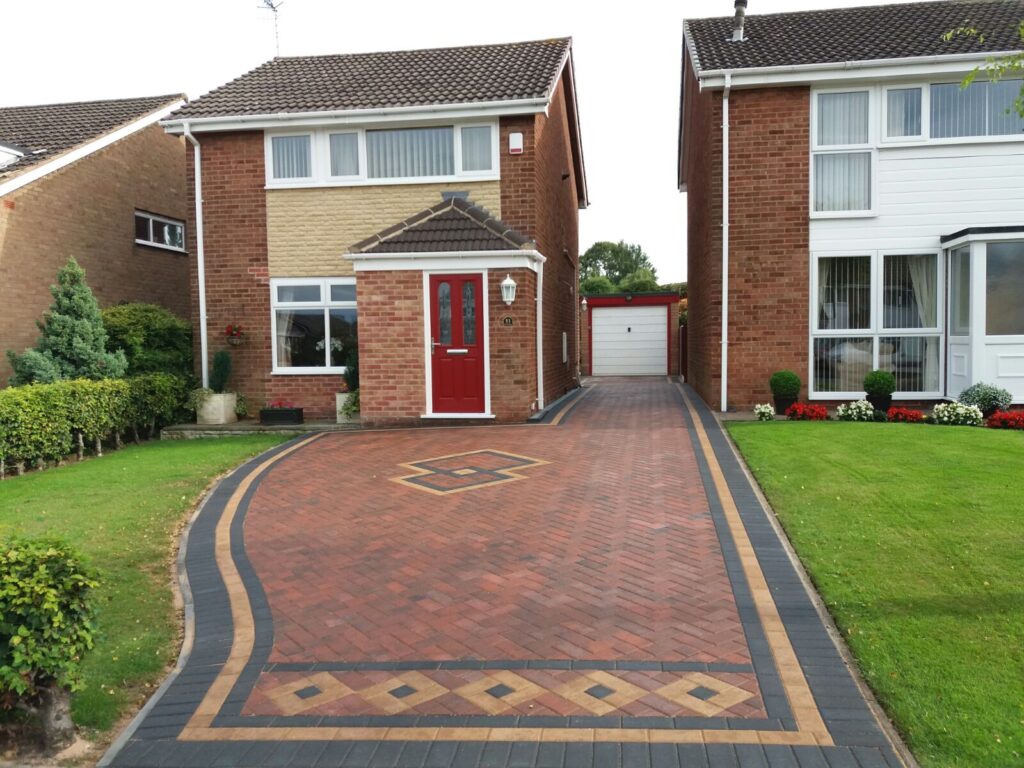
While most standard domestic driveways don’t require planning permission, larger or more complex projects might. If your new driveway includes significant landscaping, retaining walls, lighting, drainage channels, or changes to levels (such as sloped access), you may need planning consent depending on the scale of the work. Additionally, if your property is part of a new-build development with restrictive covenants, or if your deeds include clauses about shared access or communal areas, those legal agreements might override permitted development rights. In these cases, it’s worth checking your title deeds or speaking with your solicitor before proceeding.
Should You Apply for Planning Permission Just in Case?
It’s a question we hear now and again: should I just apply for planning permission to be safe? In most situations, the answer is no — not unless your project clearly requires it based on surface type or location. Applying for planning permission adds time, cost, and complexity to your project, and if your driveway meets the requirements for permitted development, there’s no need to take that step. That said, it’s always wise to do your due diligence. Check with your local planning office, speak with a professional driveway installer (like our team at The Paving People), and review your plans carefully before breaking ground. It’s better to be 100% sure beforehand than face enforcement issues or costly alterations later on.
Resin Driveways and Planning Permission
One of the biggest reasons resin-bound driveways have soared in popularity across the North East is their ability to meet planning requirements while offering a high-end finish. Resin-bound surfaces are fully permeable, meaning they allow water to drain through into the sub-base, helping to reduce surface water runoff and comply with UK SuDS (Sustainable Urban Drainage System) guidelines. This means that in most cases, a resin driveway does not require planning permission, even for larger spaces. Homeowners in places like Hartlepool, Darlington, and rural County Durham have found resin-bound surfaces to be the ideal solution when they want to upgrade their kerb appeal without dealing with complex permissions. At The Paving People, we specialise in resin driveway installation across the North East, and we’re always happy to offer advice on whether your specific project would fall under permitted development or not.
Final Thoughts on Driveway Planning Permission
So, do you need planning permission for a driveway? For the majority of homeowners, the answer is no — as long as the driveway is permeable or includes drainage that channels water into a soakaway or garden area. Whether you live in a bustling city like Newcastle or a quiet village on the outskirts of Durham, UK planning law generally supports responsible driveway installations that help manage surface water effectively. Still, every property is different, and regulations can vary slightly from one council to another. If you’re ever in doubt, reach out to your local authority or speak with a professional paving contractor. At The Paving People, we offer free consultations and advice, helping homeowners across the North East design and install beautiful, compliant driveways that add value to their homes. From resin-bound to block paving, gravel to porcelain, we’re here to help you choose the right material — and make sure you stay within the legal limits. Get in touch today to find out more or book your free site visit.