Choosing the right material for your driveway is one of the most important decisions you will make when improving the exterior of your home. The driveway is not just a practical space for parking vehicles; it also plays a significant role in the overall appearance and value of your property. With so many options available, understanding the different types of driveway materials and their benefits is essential when deciding which one best suits your needs.
Homeowners in the UK often look for a driveway material that balances durability, cost-effectiveness, and visual appeal. The climate can be unpredictable, with wet and cold winters that can affect the longevity of some surfaces. Additionally, the driveway must complement the style of the property while being functional and low-maintenance. Each material comes with its own advantages, and knowing these can help you make the best choice for your home.
Block Paving Driveways
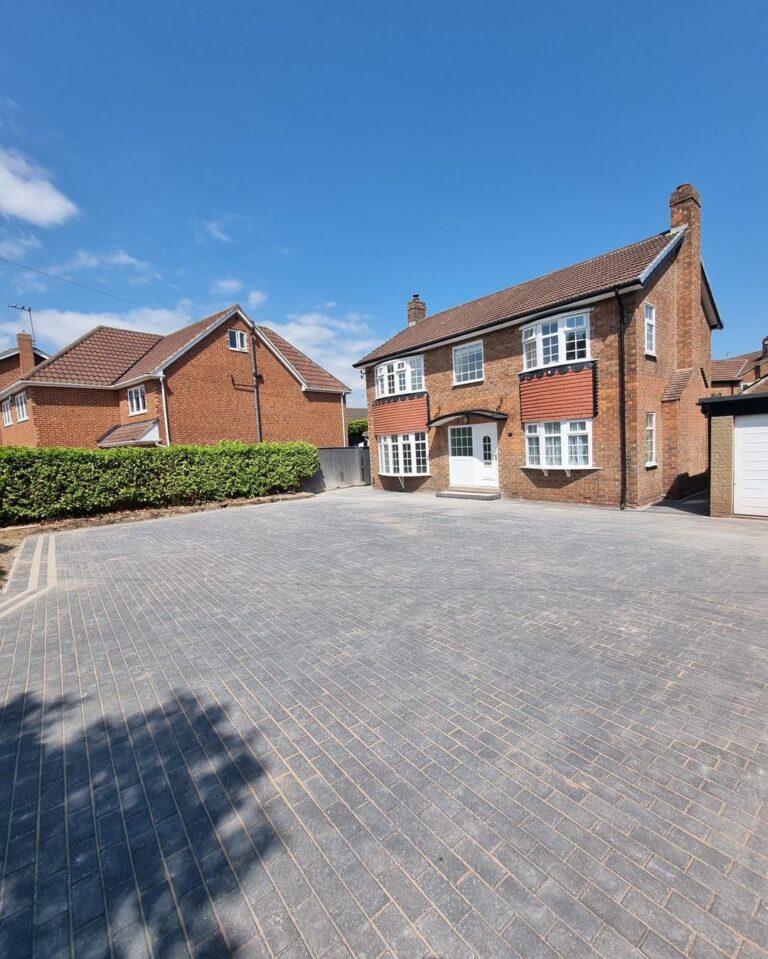
Block paving remains one of the most popular choices for driveways in the UK. It is highly versatile and allows for endless design possibilities. The surface is created using individual blocks, usually made from concrete or clay, which can be laid in different patterns such as herringbone, stretcher bond or basket weave. Because the blocks come in a variety of shapes, sizes and colours, homeowners can create a completely bespoke driveway design that complements their property.
One of the main benefits of block paving is its durability. When laid on a properly prepared sub-base, block paving can withstand heavy loads, making it ideal for family homes with multiple vehicles. Another advantage is that individual blocks can be replaced if they become damaged or stained, meaning repairs are easy and cost-effective. Block paving also provides good drainage when combined with permeable designs, helping to reduce water pooling.
Maintenance for block paving is relatively straightforward. Occasional sweeping and the application of kiln-dried sand between the joints will keep the surface stable and prevent weed growth. Sealing the surface can also enhance its colour and provide added protection from stains. Block paving is an excellent long-term investment, offering both practicality and visual appeal.
Resin-Bound Driveways
Resin-bound driveways have become increasingly popular in recent years due to their sleek, modern appearance and low-maintenance nature. They are created by mixing resin with aggregates to form a smooth, durable surface. One of the main advantages of resin is that it is permeable, allowing water to drain through the surface naturally. This feature helps prevent puddles and reduces the risk of flooding, making it a sustainable choice in line with UK planning regulations.
The customisation options with resin driveways are vast. Aggregates come in a range of colours and sizes, which can be combined to create unique blends. This makes it easy to design a driveway that matches the style of your property. Resin-bound surfaces provide a seamless finish without loose stones, which is ideal for families as it is easy to walk on and suitable for pushchairs and wheelchairs.
Durability is another key benefit. Resin driveways resist cracking and are highly resilient to different weather conditions. They also require very little maintenance. A simple occasional wash is usually enough to keep them looking their best. When installed correctly on a stable base, a resin driveway can last for many years, providing a smooth and attractive surface that enhances kerb appeal.

Concrete Imprint Driveways
Concrete imprint driveways, also known as patterned or stamped concrete driveways, are a cost-effective way to achieve the look of premium paving without the higher price tag. This type of driveway is created by pouring concrete, adding colour, and then imprinting a pattern onto the surface before it sets. Patterns can mimic cobblestones, bricks, paving slabs or even timber planks, giving homeowners a wide range of design options.
One of the biggest advantages of concrete imprint driveways is their durability. The solid surface is highly resistant to weeds and requires very little maintenance compared to block paving. Once sealed, it is also protected against stains, making it easy to clean and maintain. Because it is a continuous surface, there are no joints that can shift or sink over time, which can sometimes happen with block paving.
This type of driveway is particularly popular with homeowners who want a decorative, high-end look but prefer a lower-maintenance option. When installed professionally and resealed every few years, concrete imprint driveways can retain their colour and finish for many years, providing both practicality and aesthetic appeal.
Tarmac Driveways
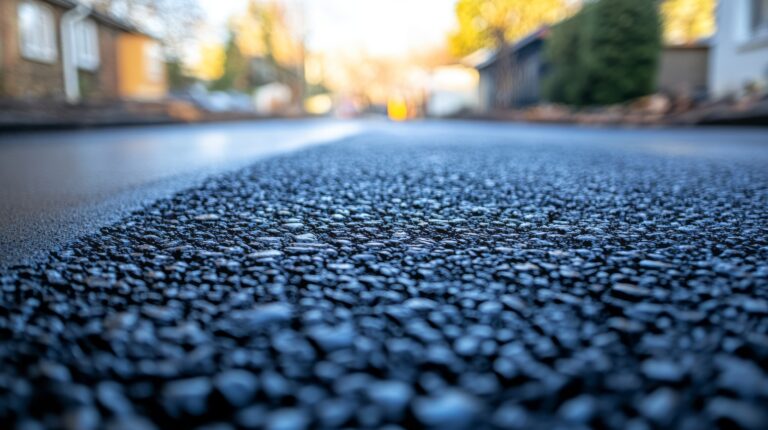
Tarmac is one of the most practical and cost-effective driveway materials available. It has been used for decades and is well-known for its durability and ability to withstand heavy loads. This makes it a great choice for larger driveways or properties with multiple vehicles.
The installation process for tarmac driveways is relatively quick compared to other materials, which is ideal for homeowners looking for a straightforward solution. Once laid, tarmac provides a smooth, uniform surface that is easy to drive and walk on. It can also be combined with block paving edging to add a decorative touch and enhance the overall appearance.
Tarmac performs well in all weather conditions and is less prone to cracking than concrete. It requires minimal maintenance, although it can be prone to fading over time. However, it can be resurfaced or re-coloured to refresh its appearance if necessary. For homeowners wanting a practical, affordable and reliable driveway, tarmac remains an excellent choice.
Gravel Driveways
Gravel driveways are a traditional and affordable option that can add charm and character to a property, particularly in rural areas. They are easy to install and allow for excellent drainage, which makes them ideal for homes in areas prone to heavy rainfall. Gravel is also available in a range of colours and stone sizes, giving homeowners some flexibility in design.
One of the benefits of gravel is its cost-effectiveness. It is generally cheaper than block paving, resin, or concrete, making it an attractive option for large driveways. It is also easy to top up over time, which means repairs are straightforward. Another advantage is that gravel can act as a natural security feature because it makes a sound when walked or driven on, helping to deter unwanted visitors.
However, gravel driveways do require more maintenance than some other options. Stones can shift and scatter, and weeds can appear if a proper base layer is not installed. Regular raking and occasional top-ups will keep the driveway looking neat and functional.

Choosing the Right Driveway for Your Home
When deciding on a driveway material, it is important to consider your budget, how much maintenance you are willing to carry out, and the style of your property. Homes with a more traditional design may suit block paving, concrete imprint, or gravel driveways, while modern properties often look fantastic with resin-bound or tarmac surfaces.
Durability and practicality are also key factors. If you have multiple vehicles or heavy use, a robust surface such as tarmac, concrete imprint, or block paving may be the best choice. For homeowners who want a low-maintenance option with a premium finish, resin-bound driveways are ideal.
Getting professional advice is always recommended, as experienced driveway installers can assess your property, recommend the most suitable materials, and ensure the installation is carried out to a high standard. A well-installed driveway can last for decades, providing both aesthetic appeal and real value to your property. The right material will depend on the property, available space, maintenance preferences and the style the homeowner wants to achieve. Anyone comparing options for a new driveway in Stockton-on-Tees can arrange a design visit with The Paving People to explore block paving, resin bound surfacing, tarmac, pattern imprinted concrete and Indian sandstone.
Conclusion
The driveway material you choose will have a lasting impact on both the look and functionality of your home. Block paving offers timeless style and repair flexibility, resin provides a modern, seamless finish with great drainage, and concrete imprint driveways deliver a decorative, durable solution at a competitive price. Tarmac remains a practical and cost-effective choice, while gravel driveways add traditional charm at a lower cost.
Investing in the right driveway material and professional installation ensures a long-lasting, attractive surface that enhances kerb appeal and improves the practicality of your property. Whether you prefer the customisable design of block paving, the smooth elegance of resin, or the rustic appeal of gravel, the right driveway will make a significant difference to your home.