At The Paving People, we’re often asked by customers which surface material is more durable: tarmac or resin. It’s a great question and an important one, especially when you’re planning to invest in a new surface for your property. Whether you’re looking to improve the appearance of your home, increase its value, or simply make your parking area more practical, the material you choose for your driveway will have a long-term impact on performance, maintenance, and lifespan.
Tarmac and resin are two of the most popular surfacing choices in the UK. They both offer excellent durability, but they achieve it in very different ways. The key to choosing between them lies in understanding how each one performs over time, how they cope with the British climate, and what kind of use your surface will be getting. In this blog, we’ll take a closer look at tarmac and resin from every angle—installation, strength, weather resistance, upkeep, and long-term performance—so you can make a confident decision that suits your property and your lifestyle.
Understanding the Basics of Tarmac
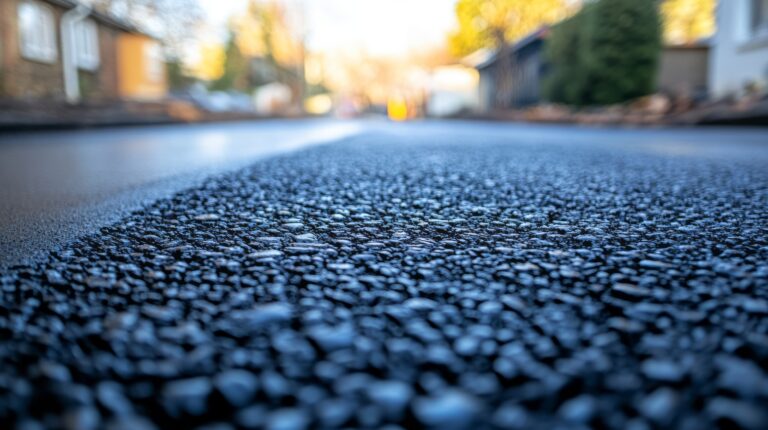
Tarmac is a well-established surface material that has been used for decades across the UK. It’s made by mixing crushed stone with bitumen, a sticky black substance derived from petroleum. The result is a dark, flexible material that is laid hot and compacted to form a smooth, solid surface. Tarmac is particularly popular for roads, car parks, and domestic driveways because it is strong, relatively quick to install, and able to handle daily traffic with ease.
One of the reasons tarmac is so widely used is because of its flexibility. It can expand and contract slightly with changes in temperature, which means it’s less likely to crack during frosty winters. When installed correctly over a properly prepared sub-base, a tarmac surface provides excellent strength and resilience for many years. While it doesn’t offer as much visual variety as some other materials, it’s highly functional and continues to be a trusted choice for homeowners who prioritise practicality and longevity.
Getting to Know Resin-Bound Surfaces
Resin-bound surfacing is a more modern option that has grown rapidly in popularity across the UK. It consists of natural stone aggregates mixed with a specialist resin, which is then laid and trowelled to create a smooth, permeable surface. Unlike loose gravel, resin-bound driveways form a solid finish where the stones are securely bonded together. The result is an attractive, slip-resistant, and weed-resistant surface that offers both style and function.
Resin driveways are available in a wide range of colours and textures, which allows for far more design flexibility than tarmac. From warm natural tones to sleek greys and modern blends, resin can be matched to both contemporary and traditional homes with ease. It also complies with current drainage regulations thanks to its porous structure, making it an environmentally friendly option for many households. But while resin certainly looks good and performs well, the question remains—how does it hold up over time compared to tarmac?

Installation and Curing Times
The installation process plays a big role in how long a surface will last. Both tarmac and resin require skilled workmanship and a solid sub-base to perform to their full potential. Tarmac is usually laid in two layers: a binder course and a surface course. It is installed hot, compacted with a roller, and then left to cool. It’s generally ready for pedestrian use within a few hours and for vehicles within three to five days. The curing process continues slowly over several weeks, during which the surface becomes stronger and more resistant to wear.
Resin-bound surfaces are installed by mixing the stone and resin together on-site, then applying the mix evenly to the base. The curing time is slightly quicker than tarmac in most cases. The surface is often ready for foot traffic within 24 hours and for vehicle use within 48 to 72 hours, depending on temperature and humidity. However, resin needs a dry day for installation, which means it can’t be laid during wet or cold weather. This can occasionally cause delays in scheduling the work, especially during autumn and winter in the UK.
Comparing Lifespan and Durability
Now to the heart of the matter: which surface actually lasts longer? The answer is that both tarmac and resin can last between 15 and 25 years if installed correctly and maintained well. However, the way they wear over time is quite different. Tarmac is generally considered to be more forgiving under heavy loads. Its flexible structure means it copes well with the weight of vehicles, even on larger drives. It’s also less likely to suffer damage from things like skips or trailers, which can leave dents or marks on more brittle surfaces.
Resin, on the other hand, offers a tough but slightly less flexible finish. It performs very well under standard domestic use—such as cars and light vans—but may be more prone to marking under extreme weight or when subject to frequent sharp turning, particularly from larger tyres. That said, resin surfaces are less likely to crack than tarmac because they are seamless and designed to accommodate small shifts in temperature. They also offer greater resistance to staining, as the resin helps repel oil and other common contaminants.
Weather Resistance and Climate Considerations
The British climate throws a lot at outdoor surfaces. From heavy rainfall and frosty mornings to summer heatwaves, the materials we use have to be able to cope year-round. Tarmac performs well in colder months due to its flexibility. It expands and contracts with temperature changes, reducing the risk of surface cracking. However, prolonged sun exposure can cause tarmac to soften slightly, which might lead to minor scuffing or surface impressions under parked vehicles, especially in summer.
Resin-bound surfaces are UV stable, meaning they won’t fade or discolour in direct sunlight if the correct type of resin is used. They are also permeable, allowing rainwater to drain through rather than sitting on the surface. This makes them a great choice in areas prone to heavy rain or where drainage is a concern. In winter, resin offers excellent slip resistance, although care must still be taken with snow and ice. Both materials stand up well to UK conditions, but resin often edges ahead in terms of appearance retention and water management.
Maintenance Over Time
Maintenance plays a big role in how long your driveway will last. Tarmac requires relatively little upkeep, but over time the surface can dry out and become brittle, particularly if it’s not sealed or protected. Small cracks can appear, and the surface may lose its deep black colour, fading to grey. Resealing the tarmac every few years can help refresh its appearance and extend its life. Minor repairs are usually straightforward and affordable.
Resin surfaces also require very little maintenance. Because the surface is solid and smooth, there are no gaps for weeds to grow through, and no loose stones to sweep up. Occasional cleaning with a hose or pressure washer is usually enough to keep it looking fresh. It’s important not to use harsh chemicals or metal tools on the surface, as these can damage the resin. Over many years, a resin driveway may require resealing or minor patching in high-wear areas, but if properly cared for, it will retain its colour and structure for a long time.
Visual Appeal and Long-Term Appearance
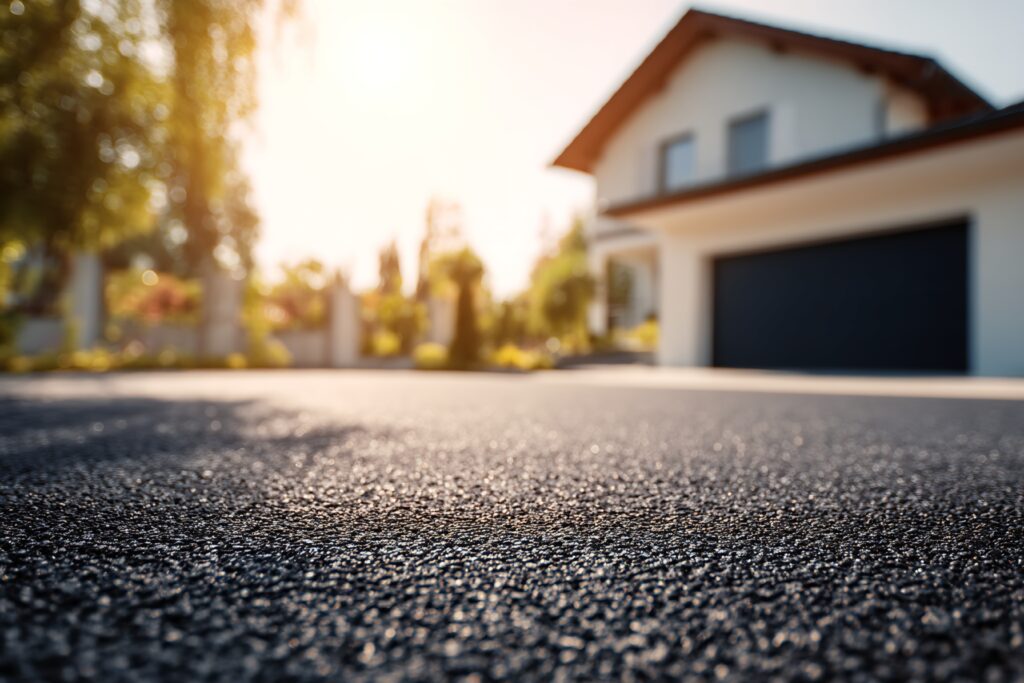
There’s no denying that resin offers more visual variety. The natural stone aggregates come in dozens of shades and sizes, allowing for a truly bespoke finish. It can be designed to match the style of your home, your garden, or even your front path. It also offers the option for creative borders, patterns or curves, giving your surface a custom feel.
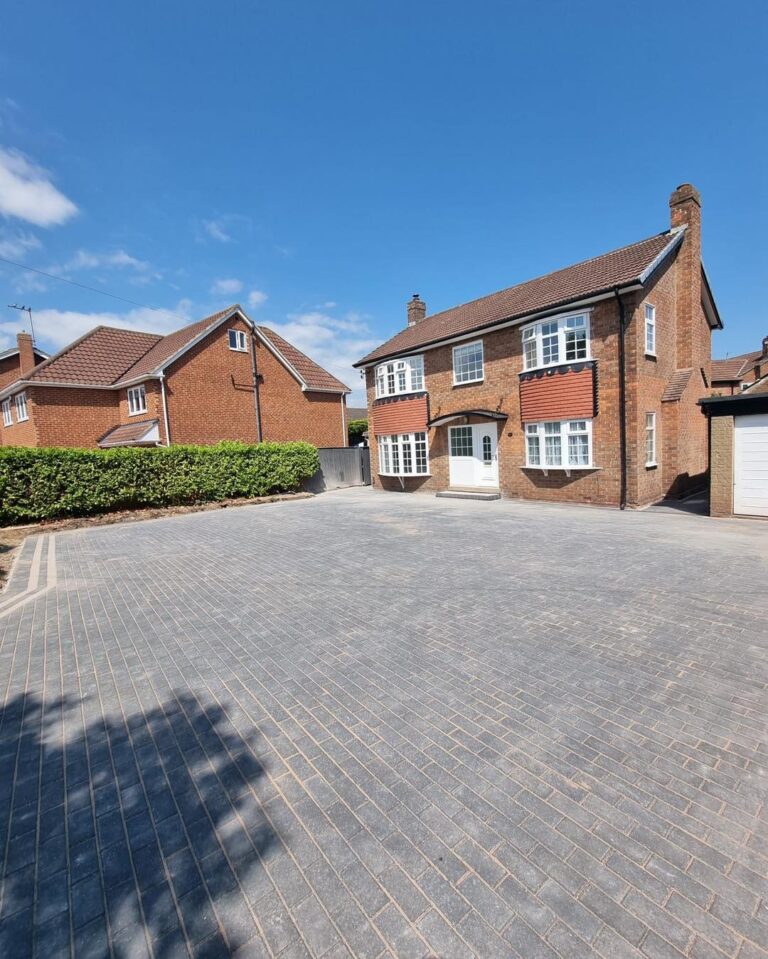
Tarmac, by contrast, has a more uniform look. It’s neat, clean and professional, but limited in terms of colour and texture. Some homeowners prefer the simplicity and understated look of tarmac, particularly when it’s paired with block edging or soft landscaping. Over time, both surfaces age, but resin typically holds its colour and appearance for longer, especially if protected with a high-quality UV-stable resin.
Cost vs Longevity: What’s the Best Value?
Cost is always a factor when choosing a surface, and while tarmac is usually the more affordable option upfront, it doesn’t always mean it’s the better long-term value. Tarmac is quicker to install and uses more readily available materials, which keeps initial costs lower. However, it may require earlier repairs, more frequent resealing, or even resurfacing if not properly looked after.
Resin has a slightly higher upfront cost due to the specialist materials and installation process, but it often proves to be more cost-effective in the long run thanks to its low maintenance and excellent durability. Its permeability can also save money on drainage or soakaway installations, especially in areas where water runoff is a concern.
So, Which One Lasts Longer?
When it comes to overall lifespan, both tarmac and resin can last 15 to 25 years with proper installation and care. The difference lies in how they wear and what kind of use they’re expected to handle. Tarmac may edge ahead if you’re dealing with heavier vehicles or require a surface that can withstand occasional rough use. Resin, on the other hand, is likely to hold its colour and appearance for longer, making it the winner for those who value aesthetics as well as function.
Ultimately, the best surface for your home depends on your specific needs. At The Paving People, we always offer honest advice based on your property, usage, and budget. We’ve installed both tarmac and resin surfaces across Catterick and North Yorkshire for years, and we know exactly how each one performs in real-world conditions.
Final Thoughts
Choosing between tarmac and resin isn’t just about which one lasts longer. It’s about finding the right surface for your lifestyle, your home, and your expectations. Tarmac is practical, proven and cost-effective. Resin is modern, attractive and highly customisable. Both materials can offer decades of reliable performance when installed properly and maintained with care.
At The Paving People, we’re happy to talk you through your options, visit your site, and help you make a choice that delivers on both performance and appearance. Whether you’re leaning towards the strength of tarmac or the style of resin, you’ll be in safe hands with our experienced team. Contact us today.