A driveway is a practical feature of any home, providing a safe and convenient space for parking vehicles. However, modern driveway design is not just about appearance and functionality. It is also about managing rainwater effectively and meeting sustainable drainage requirements. This is where permeable driveways come in. A permeable driveway is designed to allow water to pass through the surface and drain naturally into the ground below, rather than running off into drains or the road.
Permeable driveways are becoming increasingly popular across the UK because they provide an environmentally friendly solution to surface water management. They help reduce flooding risks, meet planning regulations and provide a durable, attractive surface. Understanding what makes a driveway permeable, as well as the benefits and options available, can help homeowners make the right choice for their property.
How Does a Permeable Driveway Work?
A permeable driveway is specifically designed to allow rainwater to soak through the surface rather than collect on top or flow into public drainage systems. This is achieved using materials or construction methods that leave gaps for water to pass through or that absorb water naturally.
Traditional driveway materials, such as concrete and standard tarmac, are impermeable, meaning water cannot pass through them. When it rains, water runs off into drains, which can contribute to localised flooding during heavy downpours. Permeable driveways avoid this by allowing water to drain naturally into the ground. This also helps replenish groundwater supplies and reduces pressure on public drainage systems.
Permeable driveways can be built using porous materials, such as resin-bound surfaces or permeable block paving. Alternatively, they can be constructed with loose materials like gravel, which naturally allow water to pass through. Beneath the surface, a sub-base of free-draining aggregate is installed to store water temporarily before it gradually soaks away into the soil.
Why Are Permeable Driveways Important in the UK?
The UK experiences regular rainfall throughout the year, and heavy downpours are becoming more common due to climate change. Many urban and suburban areas already have high levels of hard surfacing, such as roads, pavements and traditional driveways, which prevents water from soaking away naturally. This increases the risk of surface water flooding, particularly when drainage systems are overwhelmed.
Permeable driveways play an important role in sustainable urban drainage systems. They are recommended by the government as part of efforts to manage rainwater responsibly. In fact, UK planning regulations introduced in 2008 state that if you want to install a driveway over five square metres using an impermeable material that does not drain to a permeable area, you may need planning permission. Choosing a permeable material helps homeowners avoid this requirement while contributing to better water management.
By allowing rainwater to soak into the ground rather than run off, permeable driveways reduce pressure on public drains and help prevent flooding. They also filter out some pollutants, improving water quality before it returns to the ground.

Types of Permeable Driveways
There are several different options available for homeowners who want a permeable driveway. Resin-bound driveways are one of the most popular choices. They are made by mixing resin with aggregates to create a smooth, durable surface that allows water to drain through. Resin driveways are available in a wide range of colours and finishes, making them a versatile and attractive choice for modern homes.
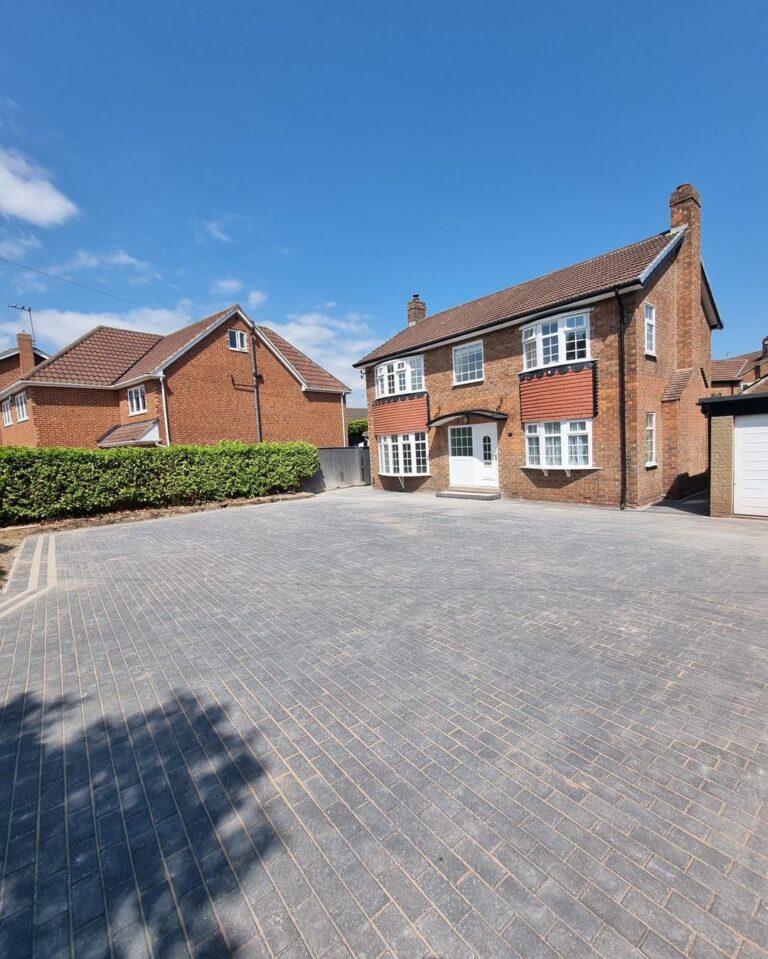
Permeable block paving is another excellent option. This uses specially designed blocks with wider joints filled with permeable material. Water can pass through the joints and soak into the ground below. Block paving offers flexibility in design, with a variety of colours, patterns and shapes available to suit any property.
Gravel driveways are naturally permeable, as water easily drains through the loose stones. They are a cost-effective solution and can look especially attractive in rural or traditional settings. However, they do require more maintenance than other surfaces to keep them looking neat and to prevent weeds.
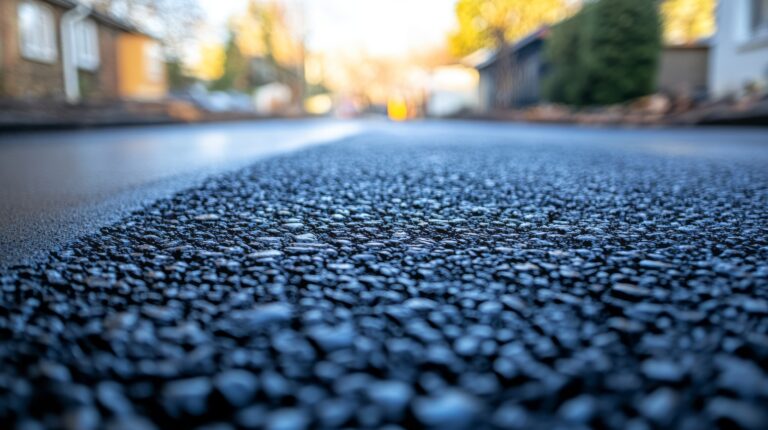
Porous concrete and asphalt are less common but are also options. These materials are mixed in a way that leaves small air gaps, allowing water to pass through. They provide a uniform surface similar to traditional concrete or tarmac but with added drainage benefits.
Benefits of a Permeable Driveway
The main advantage of a permeable driveway is improved drainage. By allowing water to soak through the surface, it reduces the risk of puddles, ice formation in winter and localised flooding during heavy rain. This makes the driveway safer to use throughout the year.
Permeable driveways are also environmentally friendly. They help manage rainwater sustainably by reducing run-off and contributing to groundwater replenishment. Because they meet UK sustainable drainage regulations, they can be installed without the need for additional planning permission in most cases.
Aesthetically, permeable driveways offer a wide range of design options. Resin-bound and block paving driveways can be tailored to suit the style of your home, with choices of colours, textures and patterns. Gravel driveways provide a natural, rustic charm, while permeable paving options can achieve a contemporary or traditional appearance.
Durability is another key benefit. When installed correctly, permeable driveways can last for many years with minimal maintenance. Resin-bound surfaces, in particular, are resistant to cracking and require only occasional cleaning. Block paving can also be easily repaired by replacing individual blocks if needed.
Maintenance of Permeable Driveways
One of the advantages of permeable driveways is that they are generally low-maintenance. However, like any outdoor surface, they require some care to keep them in good condition. For resin-bound driveways, occasional sweeping and power washing will remove debris and prevent moss or algae build-up. Permeable block paving may need periodic brushing to keep the joints filled with permeable material and to stop weeds from appearing.
Gravel driveways require a little more attention. Over time, stones can scatter or become compacted, so topping up the gravel periodically helps maintain the driveway’s appearance and function. Ensuring the base is well-prepared from the start also helps reduce long-term maintenance.
It is important to avoid using materials that could clog the surface of a permeable driveway. For example, using fine sand or soil can block the drainage gaps, reducing the surface’s effectiveness. Regular cleaning will help maintain proper drainage.

Cost Considerations for Permeable Driveways
The cost of a permeable driveway depends on the material chosen, the size of the area and the amount of preparation required. Gravel is usually the most cost-effective option, making it suitable for larger driveways. Resin-bound and permeable block paving are more expensive but provide a premium appearance and long-lasting durability.
Although the initial installation cost can be higher than traditional impermeable driveways, the long-term benefits often make permeable driveways a worthwhile investment. They reduce the risk of flooding, may eliminate the need for planning permission and often require less repair work over time.
Professional installation is essential to ensure the driveway performs as intended. A well-prepared base with the correct materials will ensure the surface remains strong and effective at draining water for many years.
Choosing the Right Permeable Driveway for Your Home
When selecting a permeable driveway, consider both the appearance you want to achieve and how you intend to use the space. Resin-bound driveways are ideal for homeowners looking for a modern, low-maintenance option with a seamless finish. Permeable block paving is perfect for those who want a classic look with the flexibility to create patterns and borders. Gravel driveways suit rural or traditional properties and are a great budget-friendly option.
It is also important to think about the long-term care and maintenance. While all permeable options are relatively easy to maintain, gravel requires more regular attention than resin or block paving. Consulting with a professional driveway installer will help you choose the best material for your property and ensure the surface is installed to the highest standard.
Conclusion
A permeable driveway is a smart, sustainable choice for homeowners in the UK. It provides effective drainage, helps prevent flooding and meets planning regulations without the need for additional permissions. With options such as resin-bound surfaces, permeable block paving and gravel, there is a solution to suit every style of home and budget.
By investing in a professionally installed permeable driveway, you not only enhance the look and practicality of your property but also contribute to better water management in your area. A driveway that is both attractive and environmentally responsible is a feature that will add long-term value to your home. Contact the team at The Paving People today.