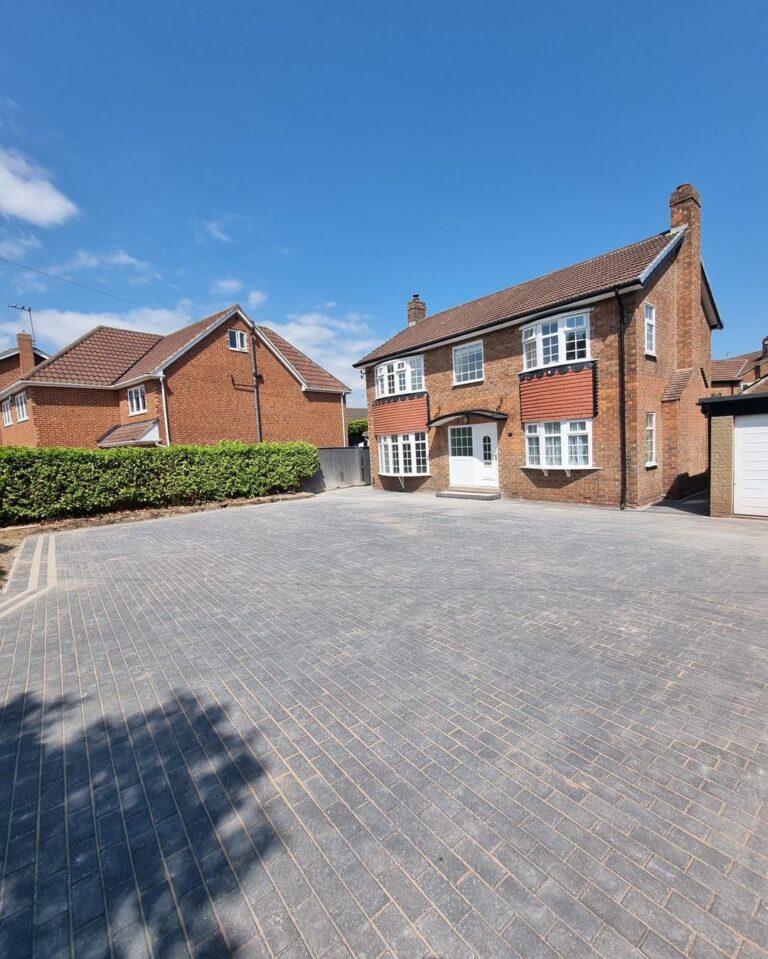
Concrete imprint drives, also known as stamped concrete driveways, are a popular choice for homeowners in the UK due to their aesthetic appeal, durability, and relatively low maintenance requirements. These driveways are crafted to mimic the look of natural materials such as brick, slate, or cobblestone, while offering the strength and resilience of concrete. One of the most common questions asked by those considering this type of driveway is: what thickness should a concrete imprint drive be? The answer to this depends on several factors, including the intended usage, soil conditions, and design requirements. This blog explores these considerations in detail and provides insights into achieving the optimal thickness for a durable and attractive concrete imprint driveway.
The Importance of Proper Thickness for Concrete Imprint Drives
The thickness of a concrete imprint driveway is a critical factor that influences its overall strength and durability. A driveway that is too thin may crack under pressure or deteriorate quickly over time, particularly in the UK’s variable climate. Conversely, making the driveway excessively thick can lead to unnecessary costs without providing significant additional benefits. Proper thickness ensures that the driveway can withstand the weight of vehicles, resist wear and tear, and cope with freeze-thaw cycles, which are common in the UK. Additionally, it is important to consider the subsurface beneath the concrete, as this also plays a vital role in determining the longevity and performance of the driveway.
Standard Thickness for Concrete Imprint Drives
For most domestic concrete imprint driveways in the UK, the standard thickness is typically around 100mm, or 10 centimetres. This thickness is suitable for driveways that will primarily be used by passenger vehicles, such as cars and small vans. The 100mm measurement accounts for the need to provide adequate support and durability while maintaining cost-efficiency. In some cases, thicker concrete may be required. For example, if the driveway is expected to accommodate heavier vehicles, such as lorries or caravans, increasing the thickness to 150mm or more may be advisable. The precise thickness should be determined by a professional contractor who can assess the specific needs of the property.


The Role of Sub-Base Preparation
The quality of the sub-base beneath the concrete is as important as the thickness of the concrete itself. A properly prepared sub-base provides a stable foundation for the concrete and helps distribute loads evenly. For most UK driveways, the sub-base consists of compacted hardcore or crushed stone, which is laid to a depth of 100mm to 150mm. This layer helps prevent the concrete from cracking by reducing the risk of movement or settlement in the ground below. In some situations, additional measures may be necessary to stabilise the sub-base. For example, in areas with clay soil, which is prone to swelling and shrinking with changes in moisture, a geo-textile membrane may be used to improve stability. Similarly, drainage considerations should be addressed during sub-base preparation to prevent water from pooling beneath the driveway, which can weaken the concrete over time.
Reinforcement Options for Enhanced Durability
Reinforcement is another key factor that can influence the required thickness of a concrete imprint driveway. While not always necessary for standard residential applications, reinforcement can be beneficial in situations where the driveway will experience heavy use or where soil conditions are less than ideal. Steel mesh or fibre reinforcement can be incorporated into the concrete mix to improve its tensile strength and reduce the risk of cracking. By providing additional structural support, these reinforcements can allow for a slightly thinner concrete layer while still achieving the desired performance. However, it is essential to consult with an experienced contractor to determine whether reinforcement is necessary and to ensure it is properly installed.
The Impact of Design and Aesthetics on Thickness
Concrete imprint drives are valued for their decorative appeal, and the design can sometimes influence the required thickness. For example, intricate patterns or deeply textured imprints may require a slightly thicker layer of concrete to ensure the design is clearly visible and retains its definition over time. Similarly, the addition of colour hardeners, sealants, or other surface treatments may affect the final thickness of the driveway. When selecting a design, it is important to strike a balance between aesthetics and functionality. A driveway that prioritises decorative features at the expense of adequate thickness is likely to suffer from premature wear and may require costly repairs or replacement. Working with a skilled contractor can help ensure that the design is both visually appealing and structurally sound.
Factors That Affect Thickness Requirements
Several factors can influence the recommended thickness for a concrete imprint driveway. These include:
- Soil Conditions: The type of soil on the property can have a significant impact on the thickness of the concrete. Soft or unstable soils may require a thicker concrete layer or additional sub-base preparation to provide adequate support.
- Expected Load: The weight of the vehicles that will use the driveway is a critical consideration. Heavier vehicles place greater stress on the concrete and may necessitate an increase in thickness.
- Local Climate: In the UK, freeze-thaw cycles are a common concern. Concrete that is too thin may be more susceptible to cracking due to the expansion and contraction of water within the material.
- Drainage Requirements: Poor drainage can undermine the stability of the concrete over time. Properly designed drainage solutions can help mitigate this risk and may reduce the need for additional thickness.
- Cost Constraints: While thicker concrete provides greater durability, it also increases material and labour costs. It is important to balance these costs against the long-term benefits of a thicker driveway.

Common Pitfalls to Avoid
When constructing a concrete imprint driveway, there are several common mistakes that can compromise its performance. One of the most frequent errors is failing to achieve the recommended thickness across the entire surface of the driveway. Inconsistent thickness can lead to weak points that are more prone to cracking and damage. Another common issue is inadequate sub-base preparation. Even if the concrete is the correct thickness, a poorly compacted or unstable sub-base can cause the driveway to shift or settle unevenly, leading to cracks and other problems. Ensuring that the sub-base is properly prepared is essential for achieving a long-lasting driveway. Finally, neglecting to consider local environmental conditions, such as soil type and climate, can result in a driveway that is not suited to its surroundings. Consulting with a professional who is familiar with local conditions can help avoid these pitfalls and ensure a successful installation.
Maintenance Considerations for Concrete Imprint Drives
While thickness is an important factor in the durability of a concrete imprint driveway, regular maintenance is also essential for keeping the driveway in good condition. Applying a high-quality sealant helps protect the surface from water penetration, staining, and UV damage, which can all contribute to wear over time. Sealants should be reapplied every few years to maintain their effectiveness. In addition to sealing, keeping the driveway clean and free of debris can prevent small issues from becoming larger problems. For example, removing weeds and repairing minor cracks promptly can help prevent more extensive damage. With proper maintenance, a well-constructed concrete imprint driveway can provide many years of reliable service.
Finding the Right Contractor for the Job
The success of a concrete imprint driveway depends not only on the quality of the materials but also on the skill and expertise of the contractor. When selecting a contractor, it is important to choose someone with experience in installing stamped concrete driveways and a solid understanding of local conditions in the UK. A reputable contractor will be able to assess your specific needs, recommend the appropriate thickness, and ensure that the driveway is constructed to a high standard. It is also worth asking for references or viewing examples of previous work to gauge the quality of the contractor’s craftsmanship. Investing time in finding the right professional can save you money and hassle in the long run.
How Thickness Affects Longevity
The thickness of a concrete imprint driveway directly influences its lifespan. Driveways constructed with adequate thickness are less likely to develop cracks, sinkholes, or other structural issues that can shorten their usability. Thicker concrete can better withstand the wear and tear caused by vehicle traffic and environmental stressors, making it a crucial element for long-term durability. In the UK, the variable weather, which includes rain, frost, and occasional heatwaves, can challenge thinner concrete installations. Over time, the freeze-thaw cycles common in colder months can cause thinner driveways to expand and contract excessively, leading to cracks. Investing in the correct thickness not only provides peace of mind but also reduces the need for costly repairs or early replacement.
The Environmental Impact of Concrete Thickness
While ensuring sufficient thickness for a concrete imprint driveway is essential for durability, it is also important to consider its environmental impact. Concrete production is energy-intensive and contributes significantly to CO₂ emissions. Thicker driveways use more material, increasing the carbon footprint of the installation. Homeowners in the UK who are mindful of sustainability can strike a balance by using an optimal thickness that meets their needs without excess. Additionally, using environmentally friendly alternatives, such as low-carbon concrete mixes, recycled aggregates, or locally sourced materials, can reduce the overall impact. Proper planning, including assessing traffic loads and soil conditions, ensures that thickness is used efficiently, avoiding over-engineering that leads to wasted resources.
The Role of Regulations and Building Standards
In the UK, building regulations and local council guidelines often influence the design and construction of driveways, including their thickness. While these regulations are not always prescriptive regarding exact thicknesses, they typically require compliance with standards that ensure safety, drainage, and structural integrity. For instance, the use of permeable materials or drainage systems may be required to prevent water runoff onto public roads, which can affect the thickness and construction methods for a concrete imprint driveway. Additionally, some councils may have guidelines on maintaining aesthetic consistency with the local area, which can influence design choices and surface treatments. Consulting these regulations early in the planning process helps ensure that the driveway not only meets functional needs but also complies with legal requirements.
Comparing Concrete Imprint Drives to Alternative Driveway Materials
When deciding on the ideal thickness for a concrete imprint driveway, it’s worth considering how this type of driveway compares to alternative materials such as block paving, tarmac, gravel, and resin-bound surfaces. Each option has its own unique characteristics, and understanding these differences can help homeowners make an informed decision based on their priorities, budget, and aesthetic preferences. Concrete imprint drives stand out for their combination of strength, durability, and visual versatility. Unlike gravel, which can shift under weight, or tarmac, which can soften during extreme heat, concrete imprint driveways maintain their structural integrity in a range of conditions. However, achieving this resilience requires proper thickness and sub-base preparation, ensuring the driveway can handle daily wear and tear. Block paving is another popular option in the UK, offering similar aesthetic benefits to concrete imprint drives. However, block paving requires ongoing maintenance to prevent weeds from growing between the joints, and its individual blocks may shift over time. In contrast, a properly installed concrete imprint driveway forms a continuous surface, eliminating the issue of movement or weed intrusion while mimicking the look of individual blocks. Resin-bound surfaces provide a sleek, modern finish and are permeable, making them a good choice for drainage-conscious areas. However, they lack the compressive strength of concrete, particularly for heavy vehicle loads, making them less suitable for high-traffic areas. Ultimately, concrete imprint drives provide an excellent balance of durability, low maintenance, and aesthetic appeal, particularly when installed with the correct thickness. By comparing these benefits to those of alternative materials, homeowners can feel confident in choosing the best option for their property and lifestyle needs.
Conclusion
The thickness of a concrete imprint driveway is a crucial factor that determines its strength, durability, and overall performance. For most residential driveways in the UK, a thickness of 100mm is sufficient, though thicker concrete may be required for heavier vehicles or challenging soil conditions. Proper sub-base preparation, reinforcement, and attention to design details all play an important role in ensuring a successful installation. By working with a skilled contractor and prioritising both functionality and aesthetics, you can create a concrete imprint driveway that enhances the value and appeal of your home. With proper care and maintenance, this investment will provide a durable and attractive surface for years to come. Contact the experts at The Paving People for a FREE quote.